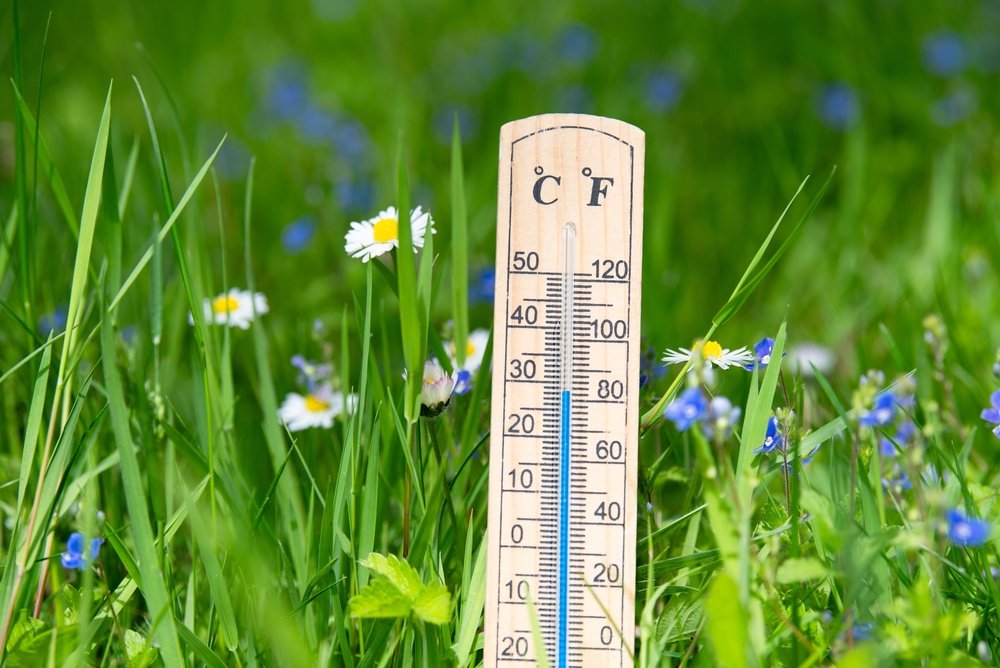
 More evidence is accumulating about the effects that climate and environmental exposures have on lung function. This not only includes extremes of temperature but also wildfire smoke and other potential natural disasters. A number of studies have shown that higher levels of particulate matter in the air increases the risk of a COPD exacerbation. Extremes of temperature both hot and cold are associated with an increased risk of death in patients with COPD. In 2019, lower winter outdoor temperature was associated with increased inhaler use and increased symptoms and reduced lung function in patients with COPD. The combination of indoor heat and outdoor air pollution was worse than alone when considering inhaler use in patients with lung disease.
How to deal with indoor pollution has been studied from a variety of standpoints. High-efficiency particulate absolute (HEPA) air cleaners can improve air quality and improve the health of patients. A reduction in the amount of particulate matter by 40% or more was associated with significant improvement in respiratory health. This was true even for patients who continued to smoke. Reducing the indoor smoking burden in the indoor air was shown to improve the respiratory health of COPD patients that continued to smoke.
There is not much that can be done individually about outdoor pollution, although being aware of the effects of climate change may help change local and national policies. There is growing data that suggests improving indoor air quality will lead to improved symptoms for everyone.
