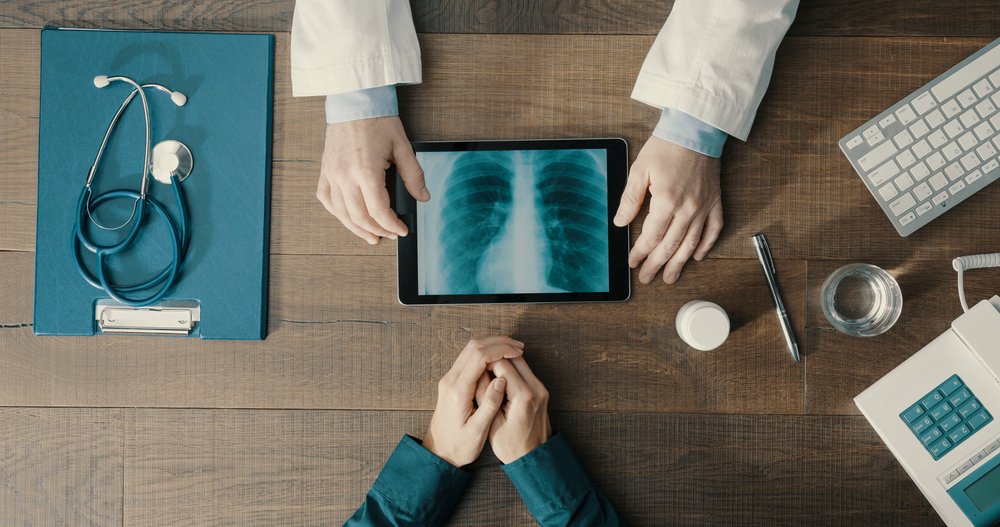
 The result of the screening process for patients at risk of developing lung cancer has been the discovery of cancerous tumors in patients with significant underlying lung disease.
When appropriate, surgery remains the most effective treatment option for patients with so-called non-small cell lung cancer. Individuals with chronic obstructive lung disease are already compromised, so the prospect of removing all or part of a lung is especially concerning for these patients.
The standard option for early-stage cancer in patients who may be inoperable is radiation therapy. However, patients with COPD are often caught between the proverbial rock and a hard place. The reduced pulmonary reserve in some of these patients make their lungs more vulnerable to radiation induced injury. Several factors including chronic inflammation and emphysema can amplify radiation toxicity. This can lead to accelerated decline in lung function, increased risk of a COPD exacerbation, risk of radiation pneumonitis and pulmonary fibrosis. Patients with COPD often have cardiac issues as well.
Newer techniques for lung sparing surgery using video-assisted thoracoscopic surgery (VATS) and robotic procedures along with partial and wedge resections have allowed more patients to be treated. However, most patients require a multidisciplinary approach which includes a combined cardiopulmonary evaluation to define risk. Patients need pre-op optimization such as smoking cessation, pulmonary rehab and nutritional support. It has been found that pre-surgery exercise tolerance is a strong predictor of postoperative success.
If you have been diagnosed with a non-small cell lung cancer and have COPD there are still surgical options.
